

Vacuum hardeningVacuum hardening

Vacuum hardening

maximum plant capacity and expertise ensure maximum flexibility

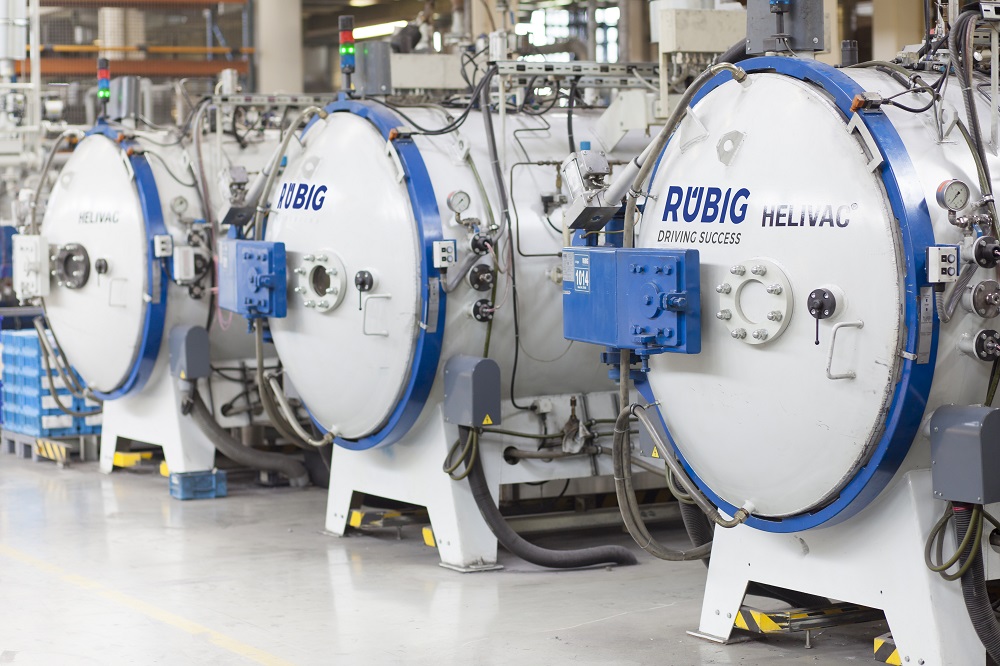
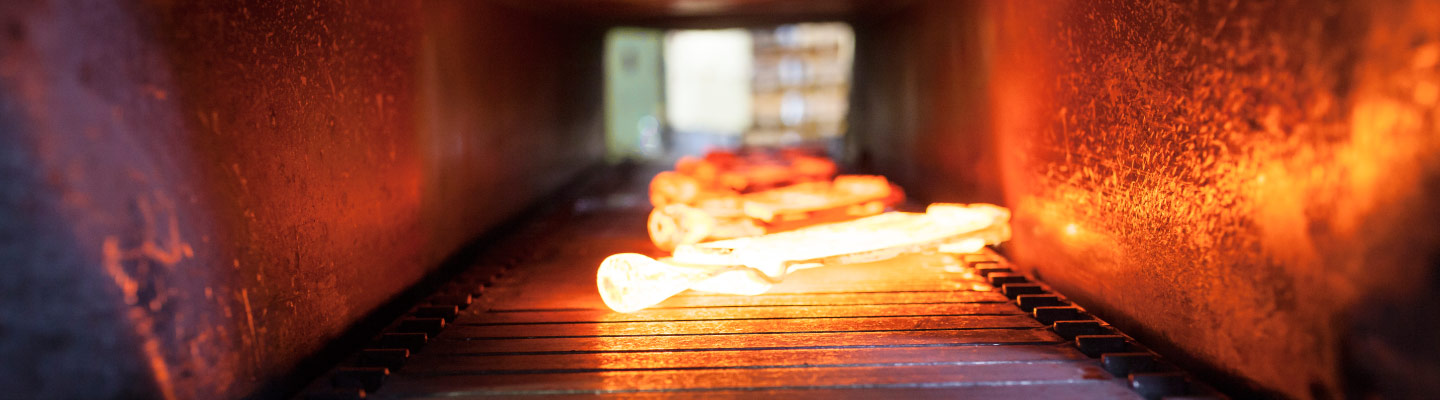
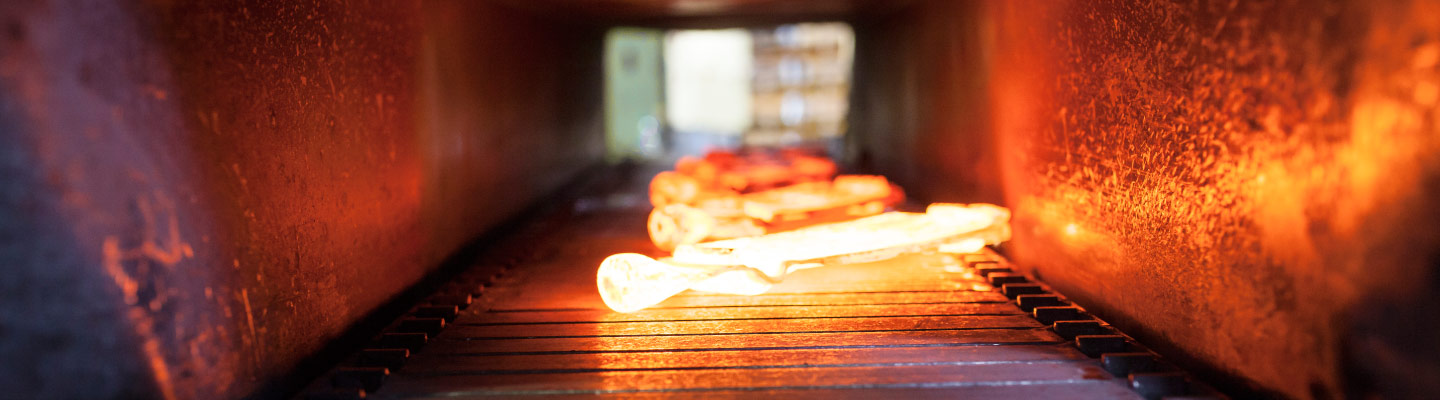
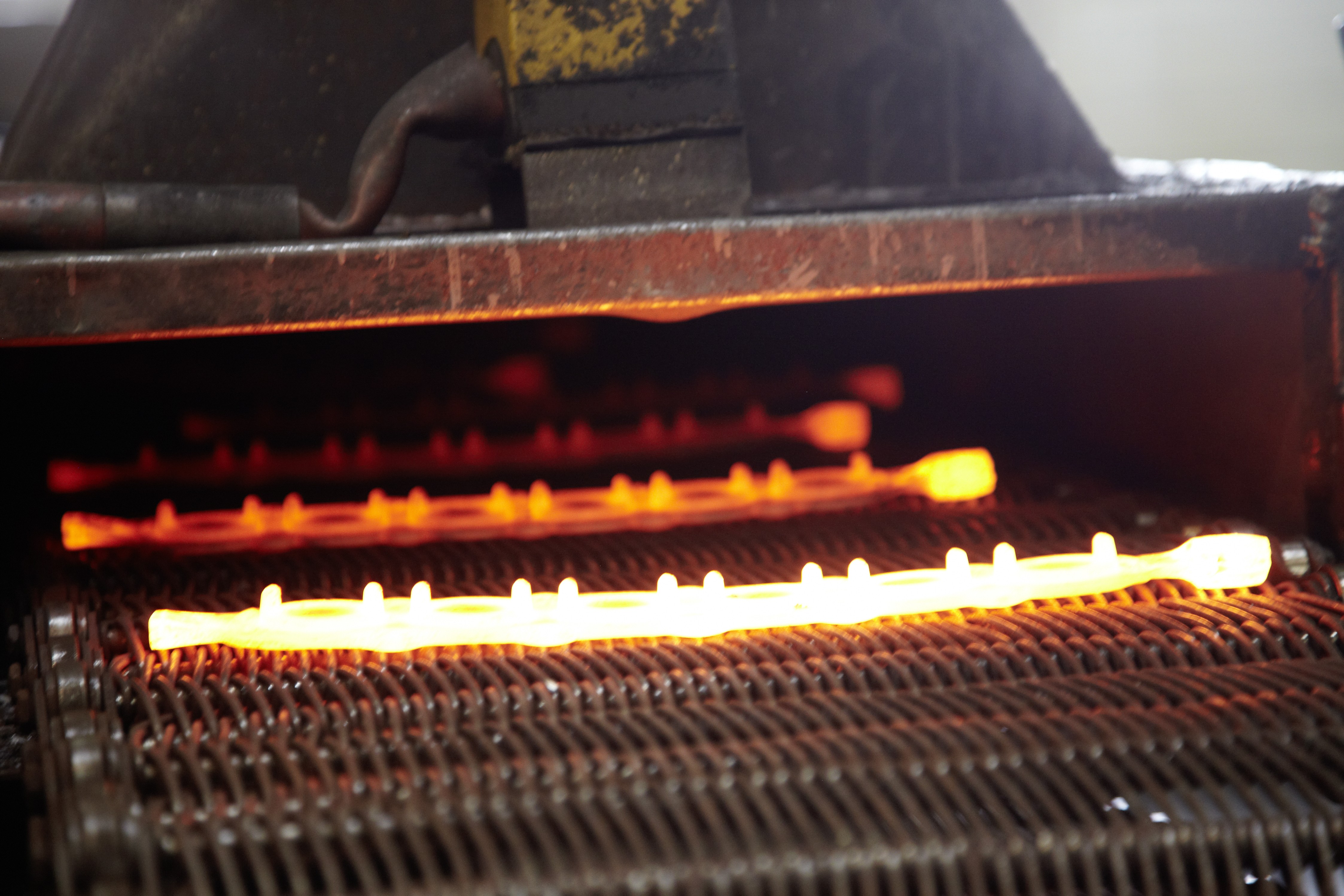
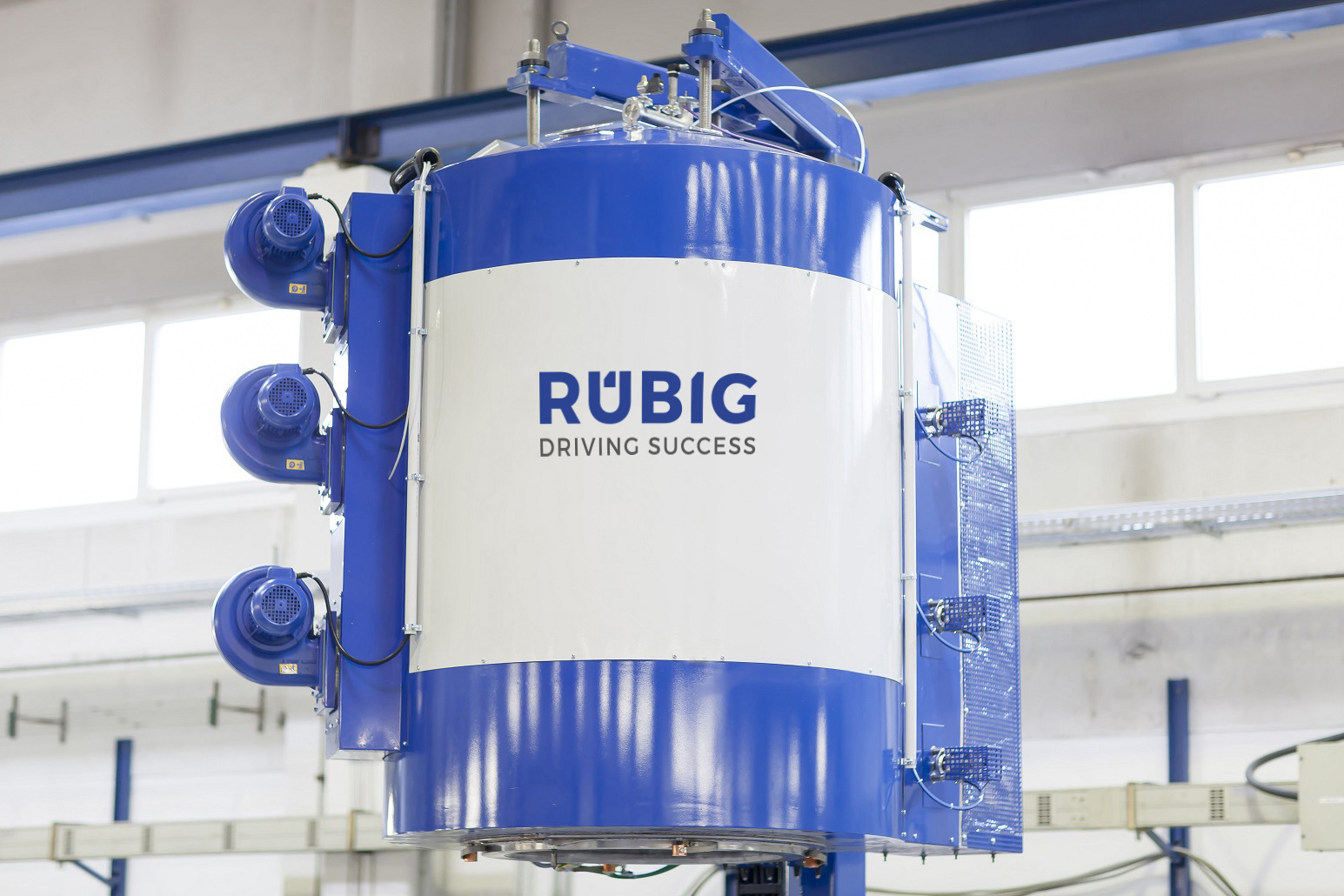
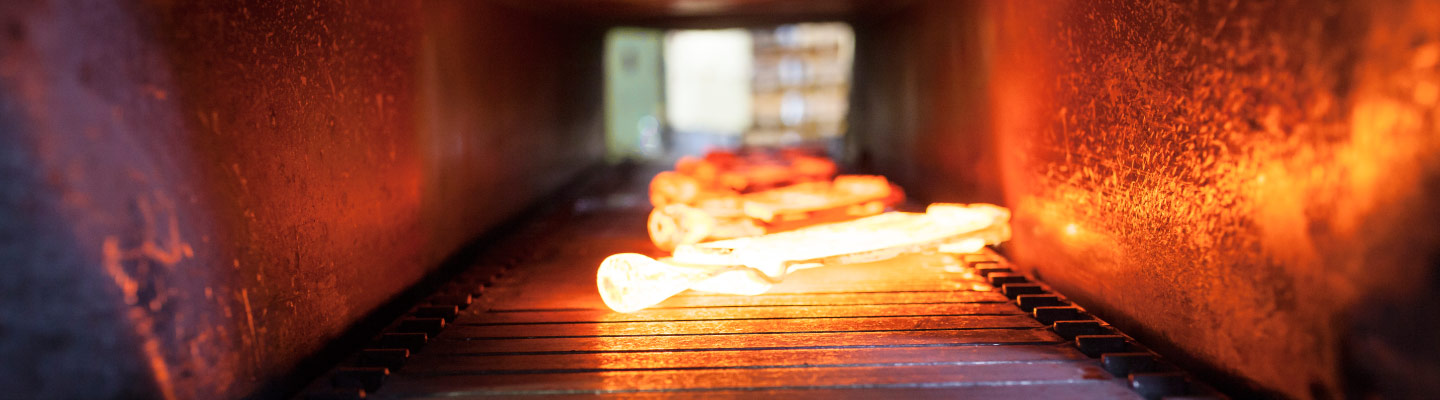
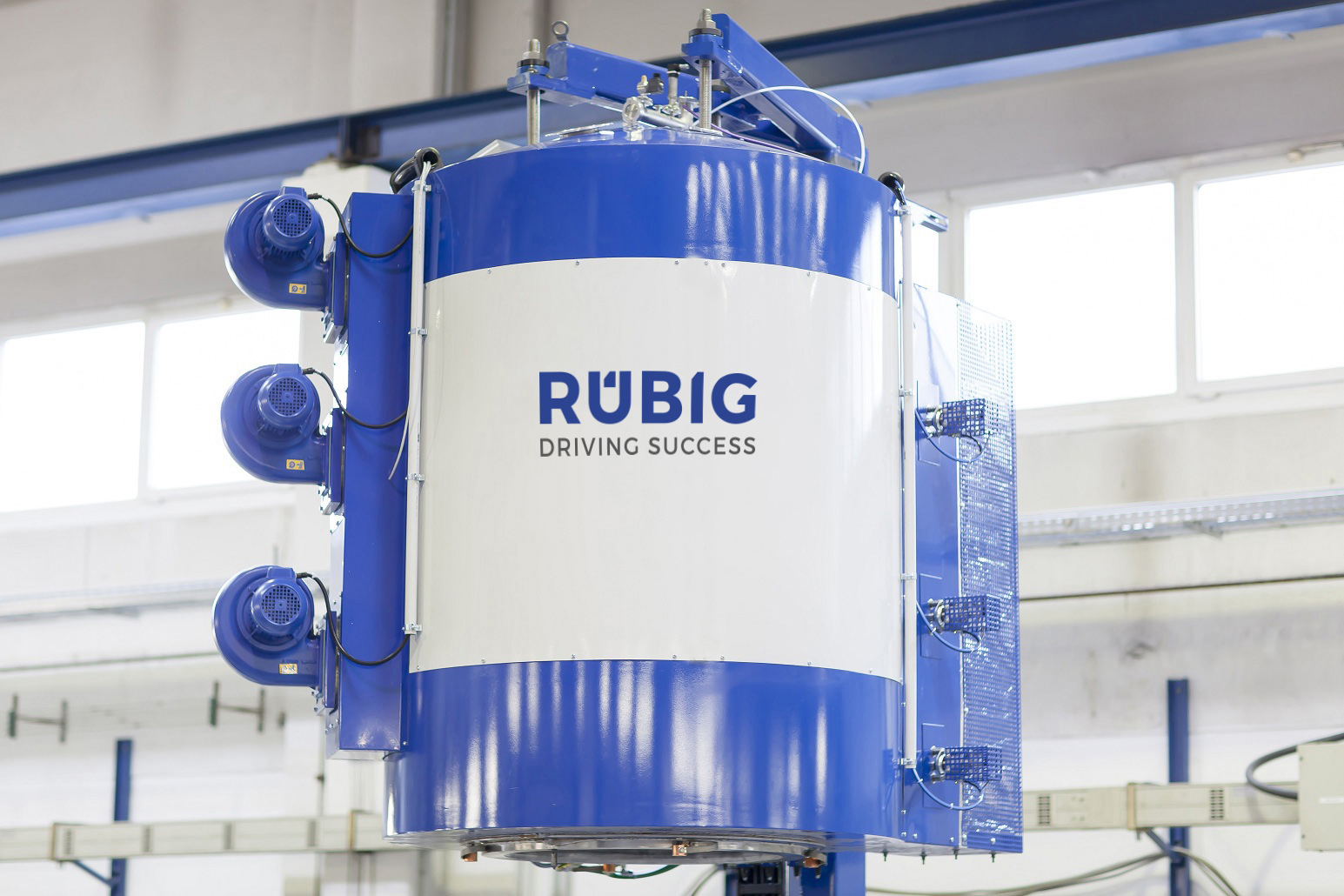
Vacuum hardening is known as heating the workpiece in a consistent sinkhole, while extracting air produces a vacuum up to 10-3 mbar. Afterwards, the batch is progressively warmed up to hardening temperature (800°C - 1.200°C) by electrically heated graphite rods. The chilling of the components takes place by blowing in gassy nitrogen up to a pressure of 10 bar.

By the use of vacuum hardening, oxidation on the surface of the component is impossible which leaves a clean,sheer atmosphere which is free of decarburisation after the hardening process. Modern process regulation guarantees highest possible reproducibility. Various thermical elements on the component's surface and at its core create the basis for the security of the process.The regulations for heat treatment are developed in cooperation with the customer specifically for the application. Our intense collaboration with steel producers ensures the highest possible quality level.

The varietally and geometrically oriented batching of the tools and components serves as a groundwork for minimal dimensional change and smallest possible delay. The flowing behaviour of the gas during the cooling of the batch is important. The cooling pressure is dependent on the batch assembly and geometry and is therefore adjusted and monitored.

Electricity and nitrogen or helium are working funds in vacuum hardening which allow an almost emission free heat treatment!


max. dimensions (mm)L x B x HØ x depth
  vacuum hardening1200 x 900 x 900Ø 1.000 x 2.000
  special vacuum hardening1200 x 600 x 600