Nitriding: Gas Nitriding and Plasma Nitriding of Steel

Wear-resistant surface layer, tough core, minimal distortion. RUBIG nitrides steel components using gas and plasma processes, from single parts to series production, tested in our in-house materials laboratory.

Nitriding Inquiry

Gas or Plasma Nitriding?

Large series made of quenched and tempered steel or a single stainless part with zero tolerance – we have the right nitriding process for both. Gas or plasma: the comparison table shows which one makes your component harder, more precise and longer-lasting.

Compare processes

The Right Nitriding Process for Your Component

Stainless or structural steel, series or single part, full surface or selected areas – six rules of thumb from our heat treatment shop give you the answer in one minute.

To the decision guide

Nitriding is a thermochemical process for surface hardening: at temperatures below the transformation temperature, nitrogen diffuses into the surface of the steel and forms nitrides there. This creates a hard, dense compound layer and, beneath it, a diffusion layer that carries the hardness profile into the core. At RUBIG, nitriding has been at the core of our heat treatment for decades: we nitride in Wels and Prievidza using gas and plasma processes and build the nitriding systems ourselves at RUBIG Industrial Furnaces.

Unlike case hardening or vacuum hardening, the microstructure is neither transformed nor quenched. Distortion therefore remains low – finish-machined components can usually be nitrided without rework. Nitriding (also known as nitride hardening) increases wear resistance, fatigue strength and – with post-oxidation – corrosion protection.

Three parameters describe the result and are defined with you in advance:

SHSurface hardness

Hardness in the compound layer, depending on the material – nitriding steels with Cr, Al and Mo achieve the highest values.

NHDNitriding hardness depth

Depth down to which the hardness is above the core value. It is set via time, temperature and process control.

CLTCompound layer thickness

Thickness of the outer nitride layer. Depending on the load, specifically thick, thin or without a compound layer.

2 Nitriding Processes, 1 Point of Contact

RUBIG operates both industrially relevant nitriding processes in-house. Which one fits is determined by material, geometry, quantity and requirement profile.

Gas Nitriding

The nitrogen comes from ammonia gas, which dissociates at the component surface. The process runs at 500 to 600 °C in pit and bell furnaces – the economical standard process for low- to medium-alloy steels and large batches.

  • Short-, standard- and long-cycle nitriding, nitrocarburizing
  • GASOX®: post-oxidation for corrosion protection and a low coefficient of friction
  • Optional nitriding potential control (KN) for reproducible layers
  • Usable space Ø 1,500 × 2,400 mm, batches up to 7,500 kg
  • Location: Wels
To gas nitriding
Plasma Nitriding

Nitrogen is activated in a pulsed glow discharge and introduced into the surface. The process usually works at lower temperatures, requires no toxic gases and also makes high-alloy and stainless steels accessible.

  • PLASNIT®, PLASOX® (with oxidation), PLAPOL for tool steels
  • Partial nitriding possible through mechanical masking
  • Smallest dimensional change of all nitriding processes
  • Usable space Ø 1,500 × 6,000 mm, batches up to 8,000 kg
  • Locations: Wels and Prievidza (SK)
To plasma nitriding

Gas Nitriding and Plasma Nitriding Compared

CriterionGas nitridingPlasma nitriding
Nitrogen sourceAmmonia gas (NH3), dissociates at the component surfaceNitrogen-hydrogen mixture, activated in a pulsed glow discharge
Process temperature500 – 600 °CUsually lower, adapted to material and pre-treatment
MaterialsLow- to medium-alloy steels: nitriding, quenched and tempered, structural and tool steelsLow- to high-alloy steels incl. stainless steels (on request), plastic mold steels
Layer structureCompound layer and diffusion layer; compound layer thickness controllable via process controlCompact, dense compound layer with increased ductility; also with a minimal compound layer if required
Distortion / dimensional changeLow – finish-machined parts possibleSmallest dimensional change of all heat treatments
Component geometryLarge batches and mass-produced parts; bores and internal surfaces are reached uniformlyLarge single parts up to 6 m in height, partial nitriding through masking; narrow bores limited
Post-oxidationGASOX® – in-process or as a separate stepPLASOX® – oxide layer in the compound layer
Typical componentsCrankshafts, camshafts, hydraulic parts, injection molds, precision partsGears, shafts, tools, molds, large gearboxes and ring gears for wind power
Max. usable space / batchØ 1,500 mm × 2,400 mm · 7,500 kgØ 1,500 mm × 6,000 mm · 8,000 kg
LocationWelsWels, Prievidza

Typical nitriding hardness depths and compound layer thicknesses for each steel grade can be found on the process pages. We will clarify in a consultation which process is right for your material and drawing requirements.

Which Nitriding Process Suits Your Component?

Six typical components – and why we nitride them this way.

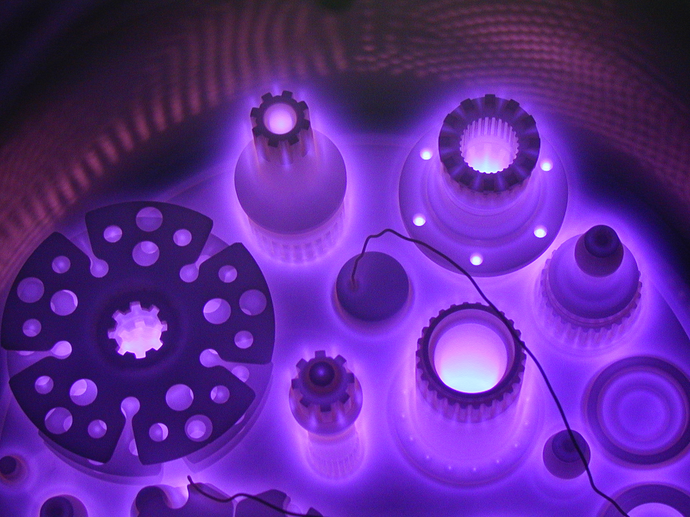
Gears in the violet plasma field during plasma nitriding
Plasma nitridingGears and ring gears

Plasma nitrided at 500–540 °C instead of case hardened at 900 °C: no quenching, no distortion – even thin-walled ring gears keep their shape. Flank and profile deviations drop by more than 50%, grinding and straightening are no longer needed.

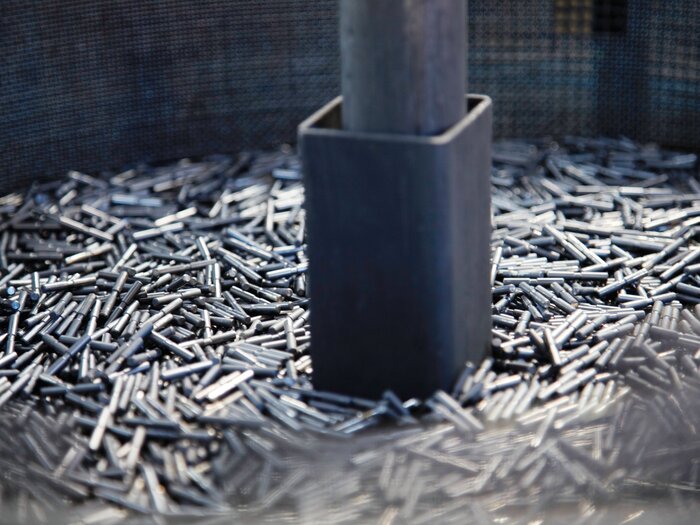
Steel components in the batch during gas nitriding
Gas nitridingSeries and mass-produced parts

Bolts, bushings, sleeves and small parts at a high batch loading density – this is what makes gas nitriding economical in series production. KN control ensures that every batch receives the same nitriding hardness depth and compound layer.

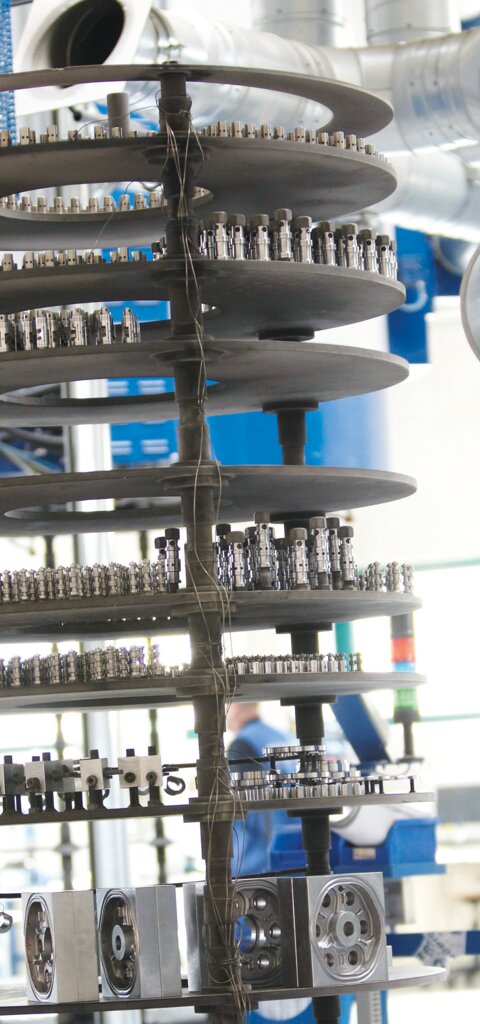
Loaded batch fixture before plasma nitriding
Plasma nitridingPrecision parts, ready to install

Finish-machined parts are individually positioned in the batch and come back ready to install: the low process temperature keeps dimensional change to a minimum, hard finishing is no longer needed – around 20% cost savings per component.

Components in the active plasma field of the MICROPULS Everest
Plasma nitridingTools and molds, partially nitrided

Injection molds, die casting dies and forming tools made of 1.2343, 1.2379 or 1.2311: functional surfaces are nitrided, fits and threads are mechanically masked – without pastes or copper plating.

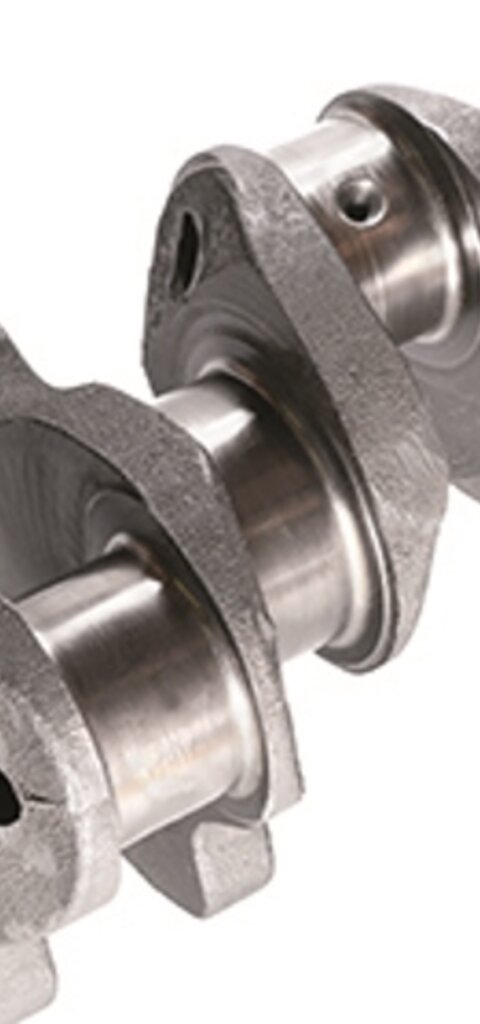
Crankshaft after gas nitriding and oxidizing with GASOX
Gas or plasmaCrankshafts and camshafts

42CrMo4, 36CrNiMo4 or GJS-600 are nitrided below 550 °C – virtually distortion-free, without rework on bearing surfaces. GASOX® or PLASOX® post-oxidation adds corrosion protection for shaft and bearing seat.

Precision component with DLC coating in the duplex process
PLAPOL or duplexDuplex: nitriding plus coating

The PLASNIT® diffusion zone supports a DLC, PACVD or PVD coating: up to around 2,500 HV surface hardness for tool steel and highly stressed components – both from a single source in Wels.

Typical applications

  • Crankshafts and camshafts
  • Gears and ring gears
  • Injection molds and die casting dies
  • Forging dies
  • Hydraulic components
  • Thread rolling tools
  • Extrusion tools
  • Large gearboxes for wind power
  • Precision parts for mechanical engineering

Industries

  • Automotive & commercial vehicles
  • Mechanical & plant engineering
  • Tool & mold making
  • Plastics processing
  • Hydraulics
  • Wind power
  • Aerospace
  • Agricultural engineering

All industries

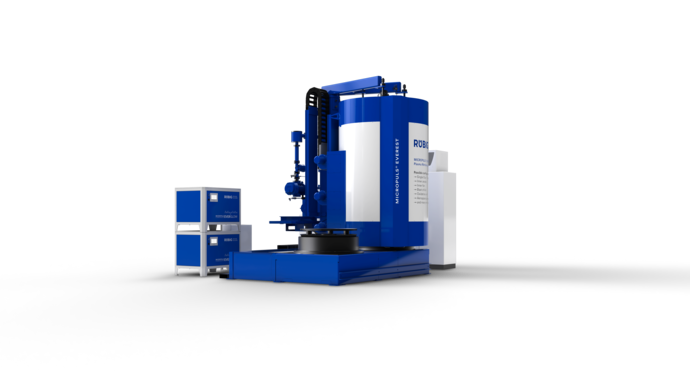
MICROPULS® Everest plasma nitriding system by RUBIG Industrial Furnaces

Nitriding systems developed in-house

RUBIG does not just nitride, it also builds the systems for it. The MICROPULS® Everest plasma nitriding system and the gas nitriding systems from RUBIG Industrial Furnaces are in operation in our heat treatment shop – and at customers worldwide who bring nitriding in-house.

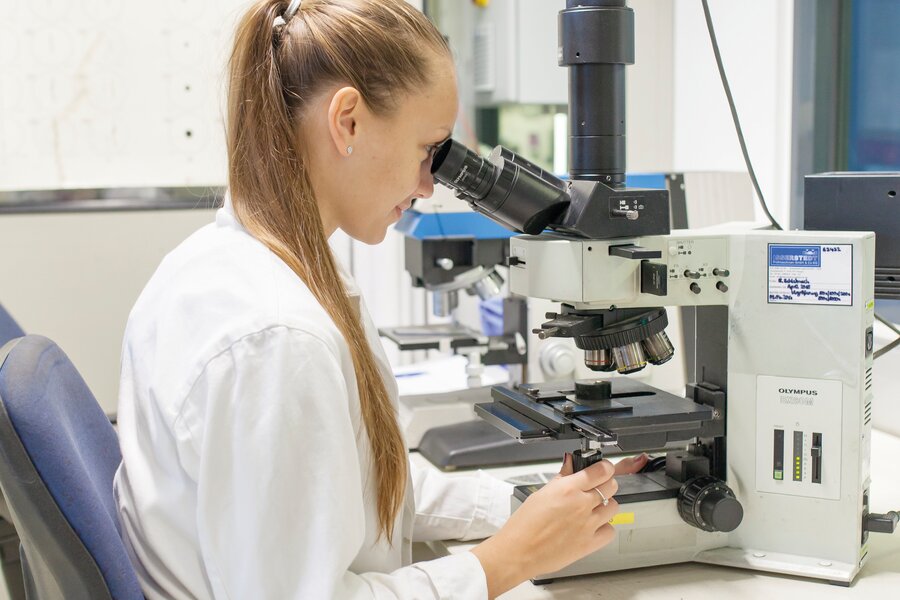
Employee examining samples under the microscope in the RUBIG materials laboratory

Materials engineering in-house

Every nitriding batch is tested in our own materials laboratory: surface hardness, hardness profile and nitriding hardness depth, compound layer thickness in the micrograph, microstructure assessment. With a test report if required. If a component fails in service, we determine the cause in a failure analysis.

Frequently Asked Questions about Nitriding

What is nitriding?

A thermochemical process in which nitrogen diffuses into the surface layer of steel. This creates a hard, wear-resistant compound layer and, beneath it, a diffusion layer. The component is not transformation hardened, so distortion remains low.

What is the difference between gas nitriding and plasma nitriding?

In gas nitriding, ammonia gas supplies the nitrogen; the process runs at 500 to 600 °C in pit and bell furnaces. In plasma nitriding, the nitrogen is activated in a glow discharge, usually at lower temperatures. Plasma nitriding is also suitable for high-alloy and stainless steels and allows partial nitriding; gas nitriding is the economical standard process for low- to medium-alloy steels in large batches.

Which steels can be nitrided?

Nitriding steels (e.g. 1.8519, 1.8550), quenched and tempered steels (e.g. 1.7225), tool steels (e.g. 1.2343, 1.2379), plastic mold steels (e.g. 1.2311) and structural steels (e.g. S355). High-alloy and stainless steels are plasma nitrided. In every case, the surface must be bright metal and free of grease and oil.

How high is the hardness after nitriding?

The surface hardness depends on the material: nitriding steels with aluminum, chromium and molybdenum as nitride formers achieve the highest values, unalloyed steels the lowest. Surface hardness, nitriding hardness depth and compound layer thickness are set via process control and tested in the materials laboratory.

Does the component distort during nitriding?

Nitriding takes place below the transformation temperature, without quenching. Distortion is low, and finish-machined parts can usually be treated without rework. A slight dimensional growth caused by the compound layer must be taken into account – for fits, we agree on this with you in advance.

Can nitriding be combined with a coating?

Yes. As a duplex treatment, RUBIG combines nitriding with a PVD or PACVD coating from a single source. The nitrided surface layer supports the hard coating and improves adhesion – especially for tools under high surface pressure.